Settling a Utah estate from out of state — how the appraisal works when the executor lives elsewhere
Most out-of-state executors assume a Utah house means a plane ticket. For the appraisal, it doesn't. What the appraiser needs from a personal representative in Phoenix or Seattle is a signature, a key, and a short stack of documents — and none of them require being in the state.
Most executors who live out of state assume the Utah house means a trip. Fly in, meet the appraiser, walk the rooms, fly home. Done.
The appraisal doesn't need any of that. Nothing in a date-of-death appraisal requires the personal representative to be in the house, in the county, or in the state. The appraiser inspects alone, measures alone, photographs alone. What the executor supplies can all travel by email: a signed engagement letter, a way through the front door, and a short packet of documents. The whole engagement — quote, signature, inspection, payment, report — routinely runs with the executor two time zones away.
So the thesis is this. Distance is not the problem it looks like. Access is. An executor in Phoenix with a lockbox code and a neighbor's phone number is in a better position than an executor in Sandy who can't find the spare key. This post covers what the executor actually has to do, the five ways the appraiser gets in, what to send before the inspection, and where the three-month inventory clock sits when the executor is managing the estate from a laptop.
Utah doesn't require the executor to live here
Start with the worry under the worry: can an out-of-state person even run a Utah estate? Yes. The Utah probate code lists who has priority for appointment as personal representative — the person named in the will first, then the surviving spouse, then devisees and heirs — and the only people it disqualifies are those under 21 and those a court finds unsuitable in a formal proceeding. That's Utah Code 75-3-203. Residency isn't on the list. Whether a particular estate needs a bond, a formal rather than informal proceeding, or anything else because the representative lives elsewhere is the probate attorney's call, not the appraiser's, and it belongs in the first conversation with counsel.
What the code does require is an inventory. Under Utah Code 75-3-705, the personal representative has three months after appointment to prepare an inventory of what the decedent owned at death, listing each item at its fair market value as of the date of death along with any encumbrance against it. The next section, 75-3-706, is the one that lets the personal representative employ "a qualified and disinterested appraiser" for any asset whose value is subject to reasonable doubt — and it requires the appraiser's name and address to appear on the inventory beside the item appraised. A house is the asset that clause was written for. The probate inventory post covers what the inventory itself should look like.
The executor can be anywhere. The inventory can't be late.
What the executor has to be present for
Nothing. That is the honest answer, and it surprises people.
A residential appraisal inspection is the appraiser's work, not a meeting. It runs thirty to forty-five minutes for a typical house: exterior measurements, every room, the mechanical systems, the roof from the ground, photographs of all of it. The appraiser needs the lights on and the doors unlocked. The appraiser does not need a tour guide, and an executor who flew in to give one usually spends the forty minutes on the porch answering a phone.
The reason is methodological. A date-of-death appraisal values the house as it stood on a date that has already passed, using sales that closed around that date. The facts that matter — square footage, condition, what was finished and what wasn't, what has changed since — come from the inspection and from the documents, not from a conversation in the kitchen. Anything the executor knows that the house can't show (the furnace was replaced in 2023, the basement bedroom has no egress window) belongs in an email before the visit, where it lands in the file instead of in someone's memory.
There are two exceptions, and neither is really about the appraisal. If the house holds a lifetime of belongings and the family hasn't been through it, someone usually wants to be there the first time a stranger is. And if the heirs are leaning toward keeping or renting the house rather than selling it, the executor may want to see it with that decision in mind. Both are family matters. The appraisal proceeds the same either way.
The executor's job is to open the door, not to hold it.
Five ways into the house, ranked
Access is the variable that actually moves the calendar. In order of how well each one works:
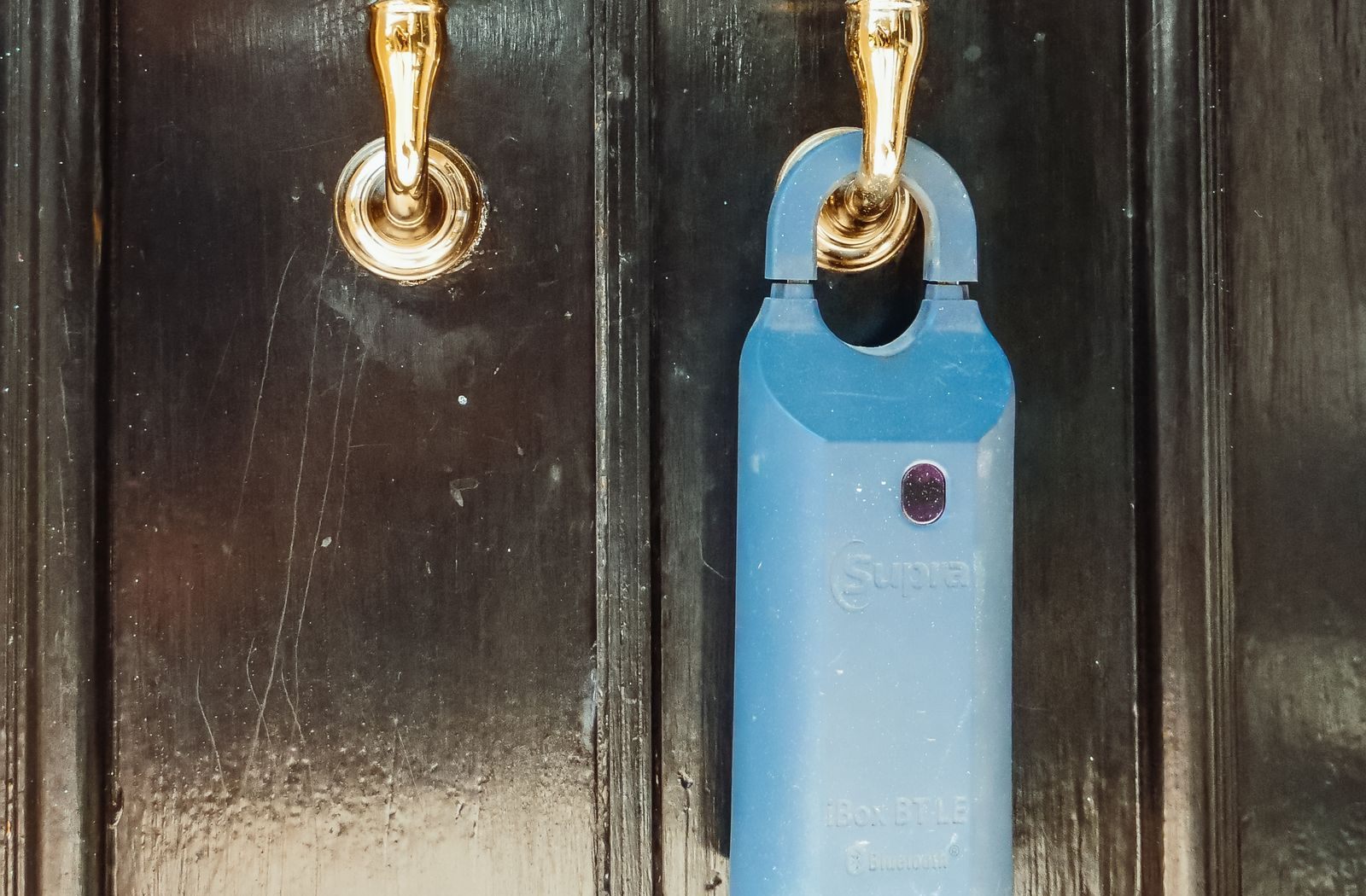
- A lockbox on the door. A combination lockbox costs about what a takeout dinner does, ships to a neighbor or a relative in a couple of days, and hangs on the knob. The executor sets the code, texts it to the appraiser, and the inspection no longer depends on anyone's schedule. If a listing agent is already engaged, the agent's lockbox does the same job. This is the best answer for an executor who is far away.
- A neighbor, relative, or friend with a key. Nearly every estate has one. The appraiser coordinates directly with that person, and the executor is copied. The only cost is that the inspection is pinned to a third person's availability, which is usually the reason a three-day scheduling window becomes a seven-day one.
- A tenant or an occupant. If someone is living in the house — a surviving partner, an adult child, a renter — they can let the appraiser in. The executor should say so up front, so the visit is scheduled with the occupant rather than sprung on them, and so the report describes the occupancy correctly.
- A property manager or the estate's attorney. Slower, because each is a business with its own calendar, but reliable.
- A locksmith. When nobody has a key, the personal representative — with letters in hand — can authorize a locksmith to rekey the house. Order the lockbox the same day, and the problem is solved once instead of every time a contractor, agent, or cleaner needs in.
Two practical notes travel with every option. First, keep the utilities on. An appraiser can describe a dark house with a cold furnace, but the report will say exactly that, and "could not be tested" is not a phrase anyone wants on an inventory. Second, Utah winters are real. A vacant house in Ogden or Heber with the heat off in January is a frozen-pipe claim waiting to happen, and at that point the appraisal is the least of the executor's problems.
A lockbox turns a scheduling problem into a text message.
What to send before the inspection
The quote needs three things: the address, the date of death, and the intended use. The appraisal itself goes faster and comes out better with a short packet behind it. None of it requires a trip.
- The deed or the parcel number. Every one of the eight counties the practice covers has an online recorder or assessor search; the executor can pull the parcel from a laptop in another state in five minutes.
- The letters naming the personal representative, so the engagement letter names the right client.
- Who will rely on the report — the personal representative, the heirs, the CPA preparing any return — so they can be named as intended users.
- The HOA contact, if there is one, for dues and amenities.
- Known issues — the roof, the foundation, water in the basement, anything built without a permit.
- What has changed since the death — cleanouts, repairs, paint, a replaced appliance — and when.
- Photos from around the date of death, if anyone took them.
- Any prior appraisal, listing, or inspection report the family has.
- Occupancy and access — who, if anyone, is living there, and who holds the key.
The photo item deserves a word. Utah is a non-disclosure state — sale prices aren't public record — so the comparable sales come from MLS data the appraiser already has. What no database can reconstruct is what the kitchen looked like the week of the funeral if the family has since gutted it. A phone photo from a sibling's camera roll, dated, is evidence. A memory is not.
Send the packet once, by email, and the appraiser has what a walkthrough would have given — in writing.
The paper side — engagement, signature, payment, delivery
The engagement letter arrives by email and is signed electronically. Under Utah's Uniform Electronic Transactions Act, Utah Code 46-4-201, a record or signature may not be denied legal effect solely because it's electronic, and the federal E-SIGN Act, 15 U.S.C. § 7001, says the same for transactions in interstate commerce — which an executor in Oregon engaging an appraiser in Utah is. The letter names the property, the effective date (the date of death), the intended use, and the intended users, so the report can be relied on by the people who need to rely on it.
Payment is by card or electronic transfer, from the estate account or from the executor personally with reimbursement from the estate. The fee is an administration expense; where it gets deducted is the CPA's call, and the cost-breakdown post covers that fork along with what moves the fee itself.
The report is a signed PDF, delivered to the executor and, on request, directly to the attorney and the CPA. It states the effective date, the date of inspection, the extent of the inspection, and the appraiser's name, license, and address — the last of which goes on the inventory under 75-3-706. A copy belongs in the estate's file for as long as any heir owns the property, because the date-of-death value becomes each heir's income-tax basis under IRC § 1014, and the CPA who needs it may be a different one, years from now. The step-up basis post covers why that number keeps mattering long after the estate closes.
Nothing on the paper side needs a Utah address. It needs an inbox.
The clock from a time zone away
The calendar doesn't change because the executor is remote. A written quote within one business day of the address, date of death, and intended use. Three to five business days to the inspection. Five to seven business days to the signed report. Roughly two weeks, door to door — the timeline post walks each block. What distance changes is where the delay comes from. For local executors, the gate is usually the letters. For remote ones, it is almost always the key.
Two things are worth knowing. First, the three-month inventory window under 75-3-705 runs from appointment, not from death, so an executor who orders the appraisal the week the letters issue has the report in hand with ten weeks to spare. Second, the value doesn't expire. A retrospective appraisal values the house as of a fixed date; ordering it in month one or month three produces the same effective date. The only thing that degrades is the evidence — the house keeps changing after the death, and every cleanout and repair widens the gap between what the appraiser sees and what the appraiser is valuing. Earlier is better for that reason alone.
If the window has already closed in around the executor — letters issued late, the house found late, a return due — a rush estate appraisal compresses the scheduling gap and the writing queue to three to five days total, calendar permitting. It does not compress the access problem. A rush order with no key is a regular order with a surcharge.
The clock runs on the key, not the mileage.
A worked example — Phoenix to Sandy
A hypothetical, labelled as one, with round dates. A father dies in February owning a 1990s two-story in Sandy, Salt Lake County. His daughter, the personal representative named in the will, lives in Phoenix. Letters issue March 10.
- March 10. She emails the address, the date of death, and "probate inventory and § 1014 basis" as the intended use. A written quote comes back the next business day.
- March 11. Engagement letter signed electronically from her phone. Card payment the same afternoon. She orders a lockbox online, shipped to the neighbor who has been collecting the mail.
- March 13. The neighbor hangs the lockbox. The daughter texts the code and the neighbor's number, and emails the packet: the deed from the county recorder's site, the letters, the HOA's email address, a note that the water heater was replaced in 2024 and that nothing has been removed from the house.
- March 17. Inspection, forty minutes, appraiser alone. The daughter gets a message when it's done.
- March 25. Signed PDF delivered to her, her brother, and the estate's attorney. The appraiser's name and address go on the inventory next to the house.
Fifteen days from letters to report, with ten weeks of the inventory window left, and the daughter never left Arizona. Had the neighbor been out of town that week, the same file would have run about a week longer — the only variable that moved was the door.
Two weeks, one lockbox, zero flights.
Two things distance actually changes
None of the above means distance costs nothing. It costs two things, and the executor should plan for both.
The executor can't see the house. A local personal representative drives by. A remote one relies on the appraiser's photographs and on whoever holds the key. For the inventory, the report's photos are usually enough. For the bigger decision — sell, keep, rent — they may not be, and the family may want a sibling or an agent to walk it with that question in mind. If the plan is to list, the date-of-death appraisal and a pre-listing appraisal are different assignments with different effective dates; the file carries over, the number doesn't.
The local knowledge lives with someone else. The neighbor knows the roof leaked in 2022. The brother in Draper knows the basement was finished without a permit. The executor in Phoenix knows neither until asked. The fix is a single local point of contact — named in the first email — who can answer the appraiser's questions and meet a contractor if one is needed. Pick that person before ordering the appraisal, and most of what distance costs disappears.
Distance isn't a defect in the file. An unanswered question is.
Frequently asked
Related reading
Utah date-of-death appraisals covers the executor's side of the inventory from the beginning, and how to hire a Utah estate appraiser covers vetting one from a distance — license verification works from any state. For an estate where one heir wants the house, see the sibling buyout post. Service page: estate & date-of-death appraisals. Family homes across Salt Lake, Davis, Utah and Weber counties.
An executor three states away doesn't need to come to the house. The house needs a lockbox, the appraiser needs an email, and the inventory needs a number — and all three can happen before the next flight would have landed.
Miner Appraisals is an independent, non-AMC residential appraisal practice in Utah — owner-operated by Dan Miner, Utah Certified Residential Appraiser (Lic. 10948175-CR00). Direct engagement only, signed reports, USPAP-compliant, one-to-four-unit residential. Estate & date-of-death, gift & charitable, and the rest of the full service catalog. Practicing since 2017.