ANSI Z765 explained: why your home's square footage might be wrong on the MLS
You think your house is 2,800 square feet. The appraisal says 2,450. Nobody lied — they just measured by different rules. Here's the standard that now governs the number, why your finished basement doesn't count, and how to fix a wrong figure on the record.
Three sources will tell you the size of your house: the MLS listing, the county assessor, and an appraisal. They will frequently disagree, sometimes by hundreds of square feet.
That's not sloppiness. It's that one of them follows a strict national standard and the other two often don't. Since 2022 that standard has a name — ANSI Z765 — and once you understand its rules, the discrepancies stop being mysterious.
Here's what the standard actually says, why your finished basement isn't part of the headline number, and what to do when the record is wrong.
What ANSI Z765 is — and why it's now mandatory
ANSI Z765 is the American National Standard for measuring single-family homes. It defines exactly how to measure gross living area (GLA): from the exterior walls, finished and heated space only, with specific rules for ceiling heights, stairwells, below-grade areas, and rounding.
It existed for years as an optional best practice. Then, effective April 1, 2022, Fannie Mae required appraisers to use ANSI Z765-2021 on appraisals for the loans it purchases. Because Fannie buys a huge share of conventional mortgages, that requirement cascaded across nearly all residential appraisal work — and made ANSI the working standard for how a home's size gets measured in Utah and everywhere else.
The MLS and the county assessor were never bound by it. That's the root of most discrepancies: the appraiser measures to a strict, documented standard, while the listing figure came from a builder's brochure, an agent's estimate, or a decades-old county record.
The above-grade rule: why your finished basement doesn't count
This is the rule that surprises people most. Under ANSI, gross living area is above-grade space only. A finished basement — no matter how nice, how heated, how permitted — is below grade, so it does not count toward GLA.
It isn't ignored. A correct appraisal reports it separately: "2,100 sq ft GLA, plus 900 sq ft finished below-grade area." The reason for the split isn't snobbery about basements — it's that the market pays differently for the two. Buyers and appraisers consistently value below-grade space at less per square foot than above-grade space, so blending them into one "3,000 sq ft" figure overstates the home and misleads everyone downstream. Splitting them is honesty, not penalty.
So if your MLS listing advertises a single big square-footage number that includes the finished basement, and the appraisal comes back lower, this is usually why. The appraisal didn't shrink your house. It just stopped counting the basement as above-grade.
The ceiling-height rules (where attics and bonus rooms get tricky)
The other big source of difference is sloped ceilings — attic conversions, Cape Cod second floors, bonus rooms over garages. ANSI has two specific thresholds:
In plain terms: floor area only counts where the ceiling is at least 5 feet high, and at least half the room's finished floor area must have a ceiling of at least 7 feet. Space under 5 feet — the low wedge under a roof slope — doesn't count toward GLA at all.
So a finished attic bonus room with knee walls might have 600 square feet of carpet but only 380 square feet that qualifies as GLA. The room is still usable and still adds value — it just doesn't add the full 600 to the official number. This is one of the most common reasons a careful measurement comes in below the brochure.
Three places your square footage shows up wrong
Once you know the rules, the usual culprits are easy to spot:
- The MLS listing. Often sourced from the builder's original plans (which include below-grade or uncounted space), the prior listing, or an agent's quick estimate. Rarely an ANSI measurement.
- The county assessor. Mass-appraisal records can be decades old, may include finished basement space in the headline figure, or may carry an error from a long-ago permit. No one re-measured your house.
- A pre-2022 appraisal. Older appraisals predate the Fannie ANSI mandate and may have used a different measurement convention, so even a prior professional number can disagree with a current ANSI one.
None of these is necessarily fraud. They're just measurements taken to different rules, or not taken at all. The only way to know the real ANSI number is to measure to the standard.
How to correct the record
If the wrong number is costing you — an MLS listing about to draw a buyer's appraisal that will surface the discrepancy mid-deal, an over-recorded county figure inflating your taxes, or a square-footage dispute in a sale — the fix is a standalone, measurement-only engagement.
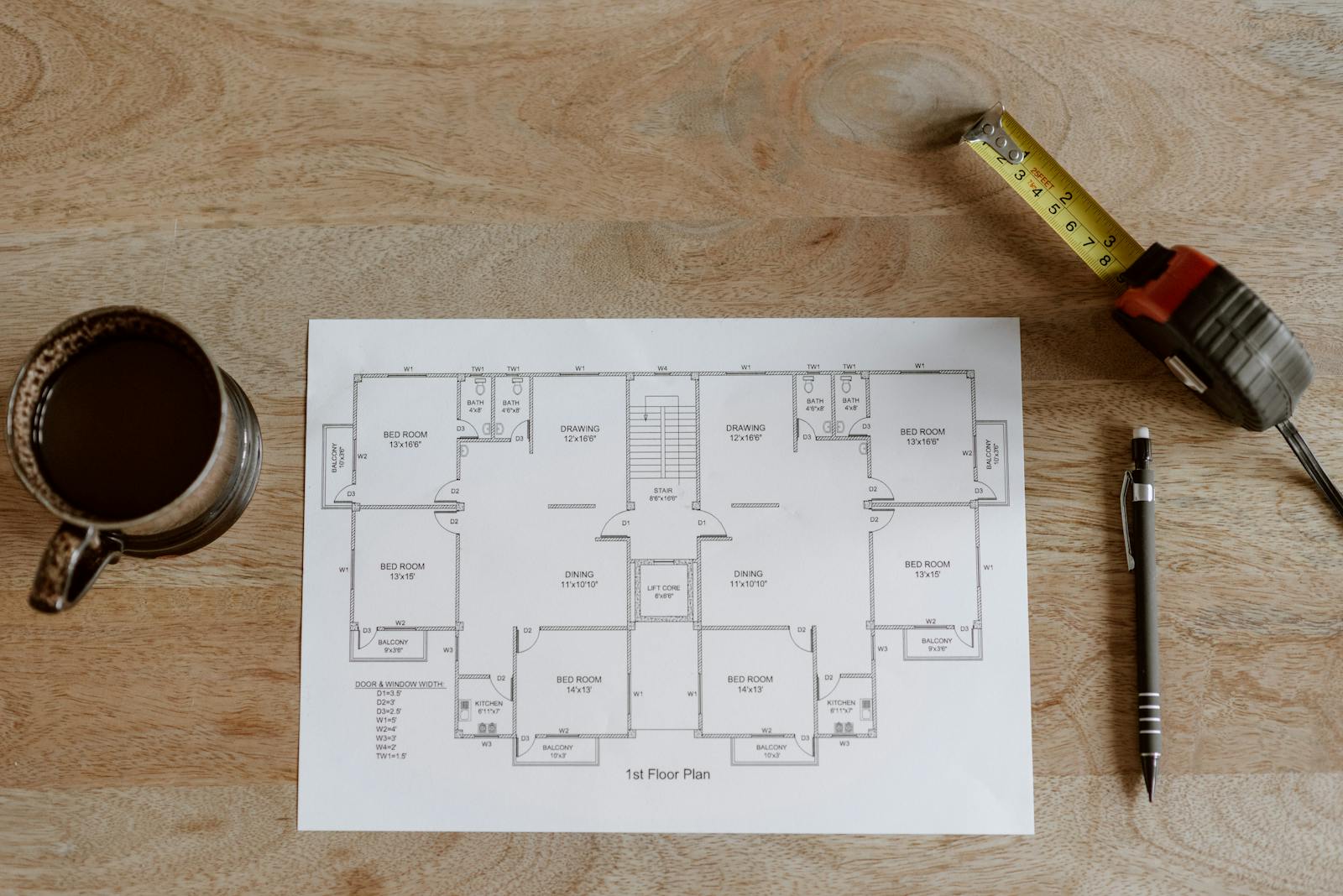
A house measurement service produces an ANSI Z765 measurement and floor-plan sketch without a full appraisal: the GLA broken out by level, below-grade area reported separately, a methodology summary, and a signed certification. It's faster and far cheaper than a full appraisal because there's no valuation analysis — just the defensible number. For a county-record error that's inflating your assessment, that same measurement supports a property tax appeal; if the assessor is taxing 400 square feet that don't exist, the measurement is your evidence.
The number isn't a matter of opinion. ANSI Z765 made it a matter of method — and the method is what a measurement documents.
Frequently asked
Related reading
The service behind this is the house measurement service — standalone ANSI Z765 measurement and sketch. If a wrong county figure is inflating your taxes, pair it with the tax appeal appraisal and the guide on whether an appeal is worth it. Selling soon? A pre-listing appraisal confirms both value and square footage before you go live. Measurement work happens across the Wasatch Front, including Weber County's older housing stock where square-footage records drift most.
Measure once, to the standard, and the three sources finally agree.
Miner Appraisals is an independent, non-AMC residential appraisal practice in Utah — owner-operated by Dan Miner, Utah Certified Residential Appraiser (Lic. 10948175-CR00). Direct engagement only, signed reports, USPAP-compliant. House measurement, property tax appeal, estate, and the rest of the full service catalog. Practicing since 2017.